
India, Slowly: In the Alleyways of the Blue City

In India, conversations have a way of unfolding slowly. Especially when your hands are occupied.

I was sitting in a narrow alleyway in the blue city of Jodhpur, my palms turned upward, as Nanda worked methodically with a cone of mehndi. The lines came first, fine, deliberate and strong, then the curves, the small details filling in spaces I hadn’t noticed were empty. It’s a kind of quiet concentration that invites conversation rather than interrupts it.
So we talked as women do, moving easily between subjects: where we’re from, what our days look like, what we worry about, what keeps us going. There’s a particular kind of openness that happens between strangers b in these moments, when there’s no agenda and no performance. Just time, and a shared willingness to ask and answer honestly.
Somewhere in that conversation, Nanda began to tell me about her non-profit work.
She’s from Jodhpur, and like many women here, she understands the quiet constraints that shape daily life. But she spoke specifically about widows in rural Rajasthan, how quickly life can narrow, how financial independence often disappears, and how skills that should hold value are overlooked because they’ve always been considered “just part of life.” Skills like cooking, sewing, mending, household management, and negotiating. The kind of knowledge that keeps families running, but rarely translates into income. And for a widow who is on the margins of society here in Jodhpur, value is quickly eroded.
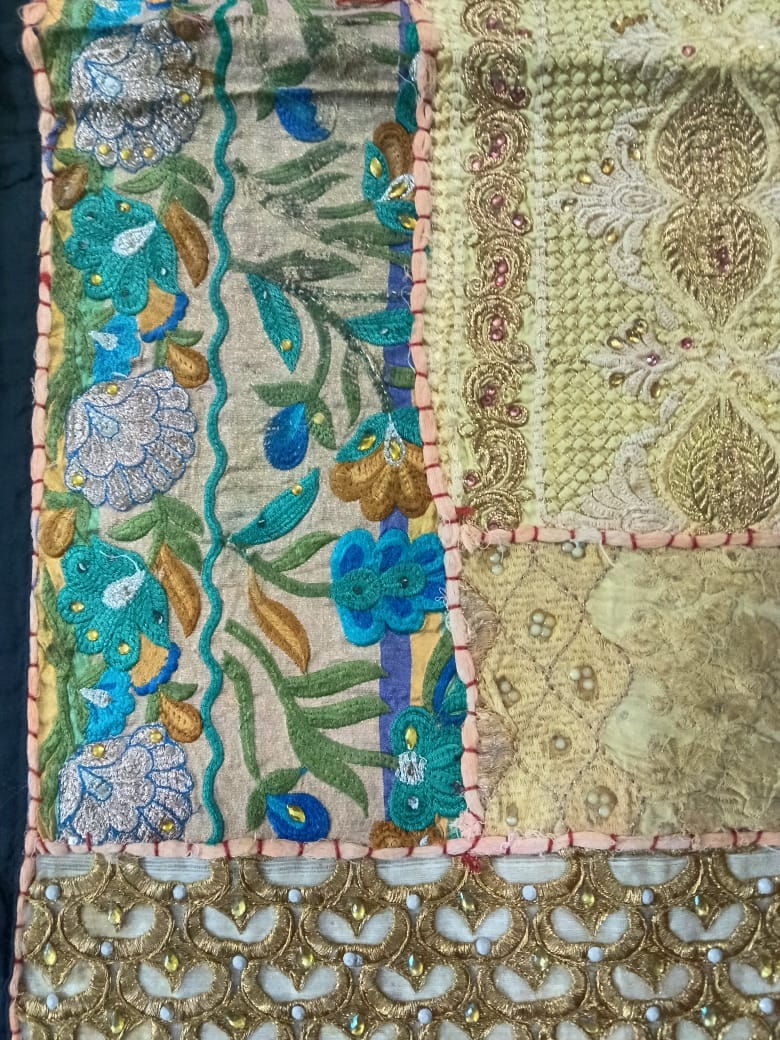
Against resistance, expectations, social norms, and the practical difficulty of starting anything from scratch, Nanda began working with widows, helping them take what they already knew and turn it into something sustainable.
Small, steady income. Work with dignity and confidence that comes not from being told you matter, but from seeing that your work does.
It’s not a grand operation. There’s no polished storefront or sweeping narrative attached to it. But the endeavour is grand in intention. The work happens in homes, in shared spaces, in Nanda's workshop, in the same alleyways where daily life unfolds. It’s incremental, practical, and deeply personal. And that’s exactly why it works.

As Nanda spoke, her hands never stopped moving. The mehndi deepened in color as it dried, the design becoming more defined as the minutes wore on. Something was fitting in both the work Nanda did with henna and the work she does with widows: the idea that what’s being built doesn’t need to be rushed or announced to be meaningful. Nanda’s work isn’t about rescue. It’s about recognition. Seeing value where it already exists, and creating a way for that value to support a life.
By the time she finished, my hands were filled with intricate patterns I wouldn’t fully appreciate until hours later, when the color settled in. The conversation, however, still stays with me. Not because it was dramatic or extraordinary in the way we often expect stories to be, but because it wasn’t. It was steady. Thoughtful. Rooted in place and lived experience. The kind of story you only hear when you’re willing to sit still long enough to listen.


Comments